

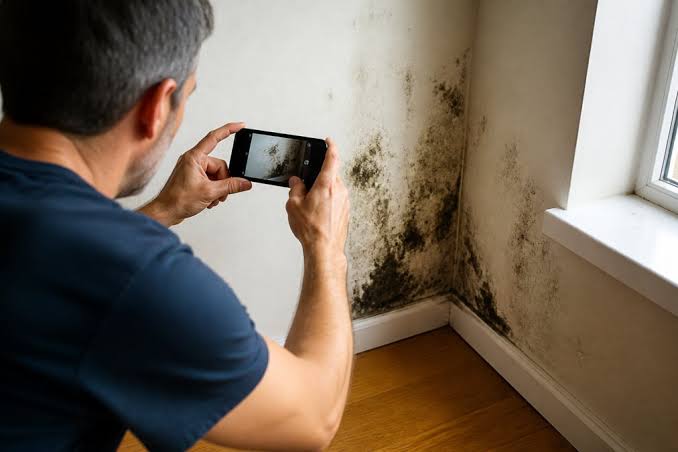
Discovering mold after a major leak can create several immediate concerns for a homeowner or tenant. Damaged furniture, affected flooring, interrupted routines, and uncertainty about repair costs can turn an ordinary maintenance problem into a complicated dispute. Individuals seeking guidance from mold attorneys los angeles should understand that the strength of a potential case often depends on the quality of available evidence rather than the appearance of the damage alone.
Start With the Source of the Water
Mold investigations should begin with an effort to understand how moisture entered the affected area. A broken supply line, leaking roof, overflowing appliance, or drainage failure can create different questions about maintenance and responsibility.
Identifying the source also helps determine whether additional damage is likely. Cleaning or replacing affected materials without stopping the water intrusion can allow the problem to return.
Record the Property’s Condition
Photographs provide a useful starting point, but a complete damage record should include more than a collection of images. Dates, locations, and descriptions help explain how conditions changed.
For example, documenting a ceiling stain immediately after rainfall may help connect the visible damage with a suspected leak. Later photographs can show whether repairs addressed the original issue.
Understand What a Mold Assessment Can Establish
Environmental professionals may evaluate moisture conditions, visible growth, and affected building materials. Depending on the situation, they might recommend further investigation or remediation.
People considering assistance from toxic mold attorneys california should remember that an environmental assessment and a legal determination serve different purposes. A report may describe physical conditions, but legal liability requires additional analysis of duties, conduct, causation, and damages.
Separating Different Types of Loss
Property damage can involve several categories of expense. Understanding these differences helps organize records and avoid overlooking costs directly associated with an incident.
Potential expenses might include damaged belongings, necessary repairs, temporary accommodation, or professional assessments. Whether a particular amount is recoverable depends on the applicable legal claim and supporting evidence.
An estimated repair cost should not automatically be treated as proven legal damages. Documentation is necessary to establish the nature and reasonableness of claimed expenses.
Preserve Important Physical Evidence
Damaged materials are sometimes removed quickly during cleanup. Although prompt remediation may be necessary, photographs and professional documentation can preserve information about conditions before demolition begins.
Property owners and tenants should discuss evidence preservation with appropriate professionals when a dispute is reasonably anticipated. Safety and preventing further harm remain important considerations.
Where practical and safe, maintain relevant records of discarded materials, including photographs and contractor descriptions.
Establishing a Reliable Timeline
The sequence of events often matters as much as the final condition of the property. A timeline can show when damage first appeared, when someone received notice, and what steps followed.
A useful record may include:
-
The date water intrusion was discovered
-
When affected parties were notified
-
The dates of inspections and repairs
-
Recurring problems after attempted remediation
-
Financial losses supported by receipts
This information can help professionals evaluate competing explanations for the damage.
Why Responsibility Is Not Always Obvious
A leak inside an apartment does not automatically mean that one particular party is legally responsible. The answer may depend on maintenance obligations, property ownership, contractual terms, and the cause of the failure.
In some situations, responsibility may be disputed between a property owner, manager, contractor, or another person. Reliable inspection findings and maintenance records can help clarify the relevant facts.
The Role of Insurance Documentation
Insurance coverage is another area requiring careful examination. Policies differ in their treatment of water damage, mold, exclusions, reporting requirements, and remediation expenses.
Property owners should review their actual policy language rather than assuming all moisture damage is covered. Timely notification may be important, but coverage decisions depend on the policy and circumstances.
Keeping written communications with an insurer can help preserve a clear history of the claim.
Avoiding Unsupported Health Claims
Mold exposure can raise legitimate health concerns, but symptoms alone do not establish the precise source or cause of a medical problem. Individuals experiencing symptoms should consult qualified healthcare professionals.
Legal claims involving alleged personal injuries may require medical evidence and other proof linking the claimed harm to the relevant exposure.
Accurate documentation supports informed decisions without relying on assumptions or exaggerated conclusions.
Conclusion
Mold-related property disputes require an organized approach to evidence, repair records, financial losses, and responsibility. Identifying the moisture source and documenting events can help clarify what happened before legal options are evaluated. Because liability and recoverable damages vary with the circumstances, professional guidance may be valuable when disagreements arise. Readers researching California mold litigation and property damage concerns can find related legal information at mehdlaw.com.